January is here, and with it comes the occasional chill that sends us reaching for the thermostat. For most of the year, Lake Worth homeowners are focused on keeping the heat out. But when the temperature dips into the 40s or 50s, we rely on our heating systems to keep us cozy.
However, for residents living in the charming, historic cottages of downtown Lake Worth or the mid-century homes along the coast, turning on the heat carries a hidden risk. Many of these older homes still possess their original electrical infrastructure. While this wiring might handle a few LED lights and a TV just fine, asking it to power a high-voltage heating system can be dangerous. At Richard’s AC, we believe comfort shouldn’t come at the cost of safety. Here is what you need to know about the conflict between old wiring and modern heating demands.
The Power Hog: Why Heating is Different
To understand the risk, you have to understand the load. An air conditioner consumes a lot of power, but electric heating strips (the most common heat source in Florida homes) consume massive amounts of electricity. They act like a giant toaster inside your air handler.
When you switch your thermostat to “Heat” or “Emergency Heat,” you are essentially asking your electrical panel to deliver maximum amperage instantly. In a modern home built to current codes, this is fine. In a home built in the 1940s, 50s, or 60s, this sudden surge can push the electrical system to its breaking point.
The Culprits: Aluminum and Cloth Wiring
Lake Worth has a beautiful collection of historic architecture, but behind those plaster walls often lurk outdated wiring materials:
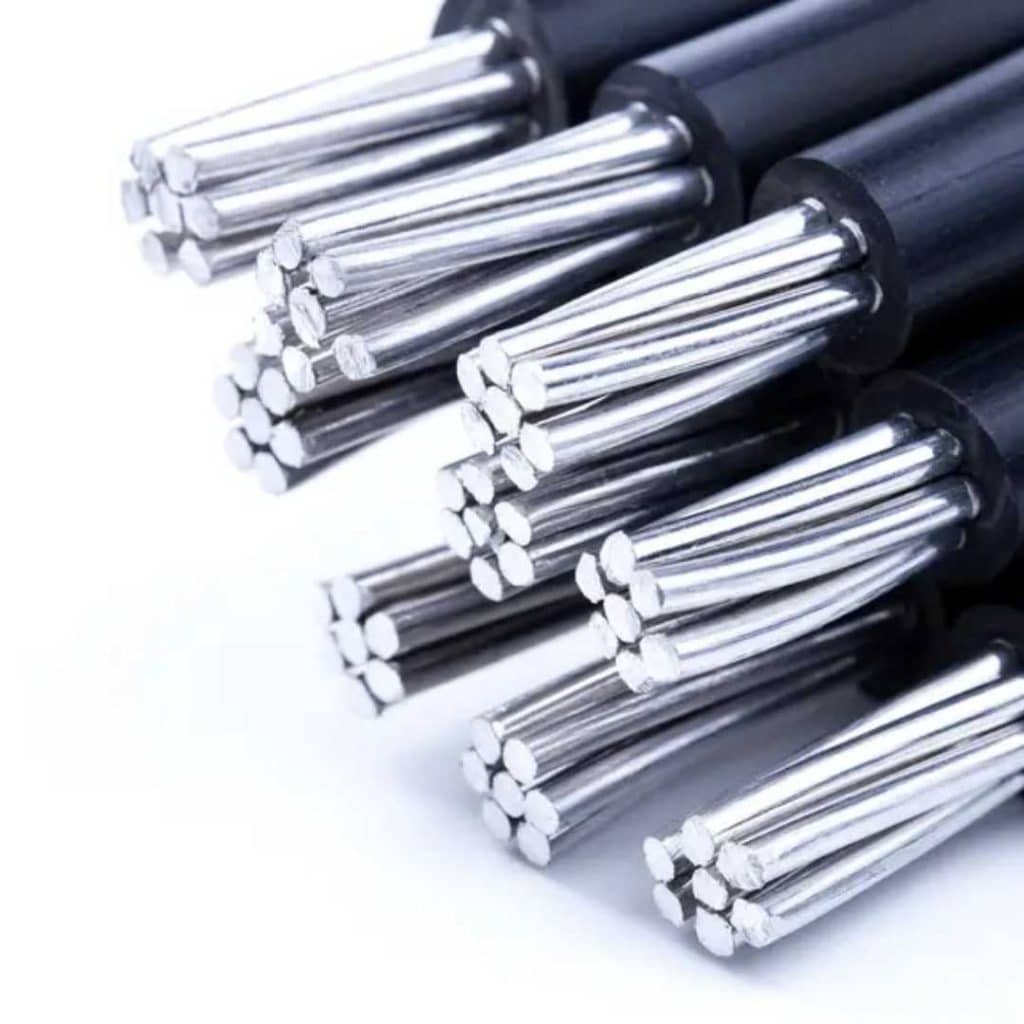
Aluminum Wiring (Mid-60s to Mid-70s): Many homes in our area were built during the brief period when aluminum wiring was standard. Aluminum expands and contracts with heat much more than copper. The intense load of a heater running can cause the wire to expand, loosen the connection at the terminal, and create arcing (sparks) inside your walls.
Cloth-Sheathed Wiring (Pre-1960s): In older cottages, we often find cloth-covered wiring. Over decades, the insulation becomes brittle and cracks. The heat generated by drawing high amperage for the heater can further degrade this insulation, leading to short circuits.
Warning Signs: Is Your Home at Risk?
You likely won’t see the fire starting inside the wall, but your house will give you clues that the electrical system is struggling to keep up with the heater:
Dimming Lights: When the heater kicks on, do the lights in the house dim significantly and stay dim? This indicates a voltage drop caused by an overloaded circuit.
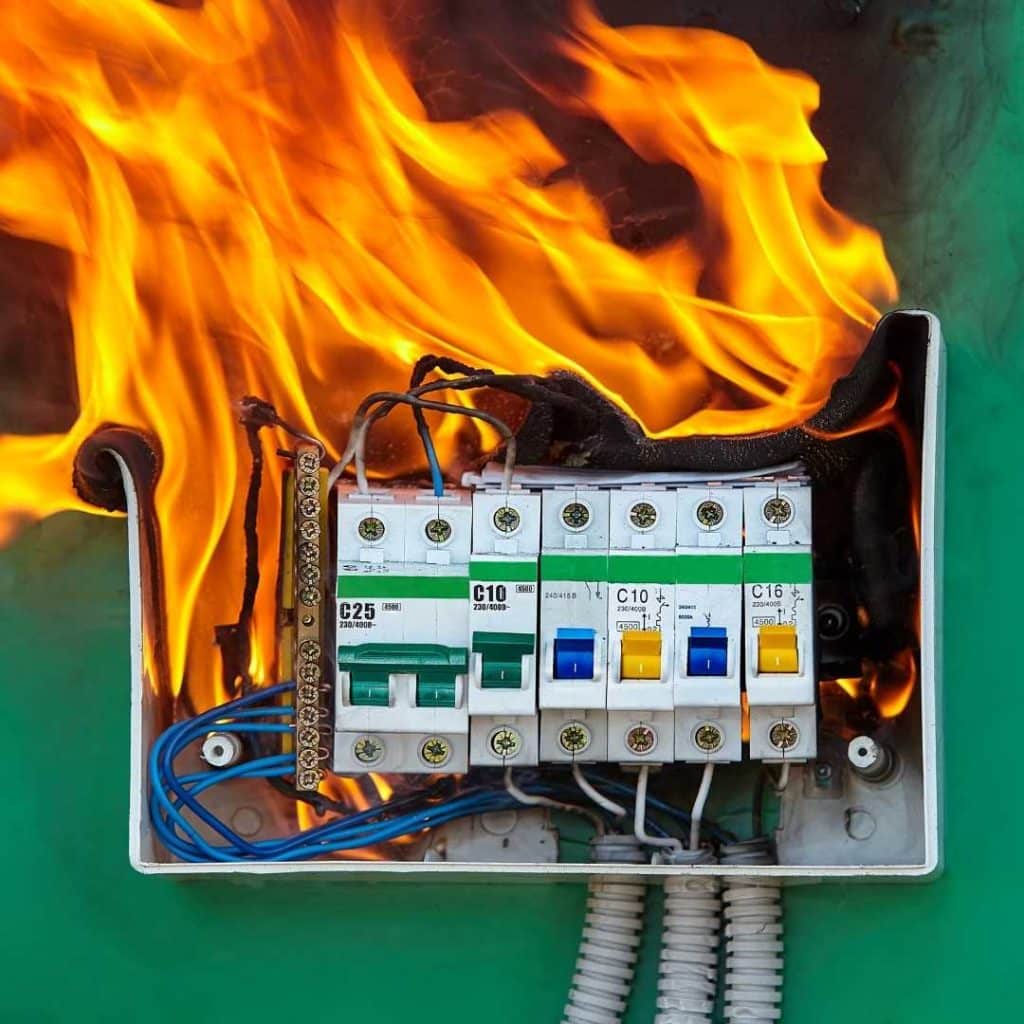
Tripping Breakers: If your circuit breaker trips every time you try to run the heat, do not just keep flipping it back on. The breaker is doing its job: protecting you from a fire. It means the wire is getting too hot.
The Smell of Ozone or Burning Plastic: If you smell burning dust for the first 10 minutes, that’s normal. But if you smell acrid plastic or a “fishy” electrical smell near the AC closet or the breaker panel, turn the system off immediately. That is the smell of wire insulation melting.
Hot Breaker Panel: Place your hand on the metal cover of your breaker panel. It should be cool. If it feels warm to the touch while the heat is running, you have a resistance issue that needs professional attention.
The Solution: Safe Upgrades
Does this mean you have to freeze in your historic home? Absolutely not. But it does mean you need to ensure your heating system is compatible with your electrical capacity.
Dedicated Circuits: Modern code requires heating strips to be on their own dedicated high-voltage circuits. We often find older homes where the heater is shared with other appliances, which is unsafe.
Torque and Tighten: A simple but effective maintenance step is having a professional electrician or HVAC technician check the tightness of the electrical connections at the disconnect box and the air handler. Loose wires cause fires.
Heat Pump Efficiency: Ensure your heat pump is working correctly. If the outdoor unit (the heat pump) is working, it uses far less electricity than the backup “emergency” heat strips. If your outdoor unit is broken, you are forcing the system to run 100% on those power-hungry strips, increasing the risk to your wiring.
Historic Charm, Modern Safety
We love the character of Lake Worth’s older homes. Our goal is to preserve that character while keeping the families inside safe. Don’t guess when it comes to high-voltage electricity.
Before the next cold snap hits, let the experts assess your system. For professional AC and Heating Service that understands older homes, trust Richard’s AC. We proudly serve homeowners in Lake Worth, Royal Palm Beach, Wellington, and across Palm Beach County.
Stay warm and stay safe. Contact us today for a heating safety inspection!