In the world of South Florida HVAC, a gas furnace is something of a unicorn. The vast majority of homes in our area rely on electric heat pumps to take the chill off those rare cold mornings. However, in certain pockets of Lake Worth—particularly in the historic districts and older neighborhoods connected to natural gas lines—gas furnaces are still the heart of the home’s heating system.
If you are one of the few homeowners with this powerful heating technology, you enjoy a distinct advantage: gas heat is warmer, faster, and cozier than electric heat strips. But with that combustion power comes a serious responsibility. Unlike an electric heater that might just break, a neglected gas furnace can become dangerous. Because they are so rare here, many local technicians lack the experience to service them properly. At Richard’s AC, our “old-school” expertise covers everything from modern heat pumps to classic gas systems. Here is the essential safety checklist for Lake Worth’s gas furnace owners this January.
First: Are You Sure You Have Gas?
It sounds like a silly question, but many homeowners who buy historic properties aren’t entirely sure what is in the attic or closet.
The Check: Look at your heating unit. Do you see a metal pipe (gas line) going into it with a shut-off valve? Do you see a metal flue pipe going up through the roof to vent exhaust? When the heat turns on, do you hear the whoosh of a flame igniting rather than just a fan humming? If yes, you have a gas furnace.
The burning of natural gas or propane produces carbon monoxide (CO), a colorless, odorless, and tasteless gas. In a well-functioning system, this gas is safely vented outside through the flue.
The Danger: If your heat exchanger (the metal chamber where the fire burns) has a crack—which can happen due to metal fatigue over years of heating and cooling—CO can leak into the air stream and be blown into your bedrooms.
The Action Item: Every home with a gas furnace must have working Carbon Monoxide detectors installed near the bedrooms and the furnace itself. Test them today. If a detector ever goes off, leave the house immediately and call the fire department.
You can tell a lot about the health of your furnace just by looking at the fire (if your unit has a visible observation port).
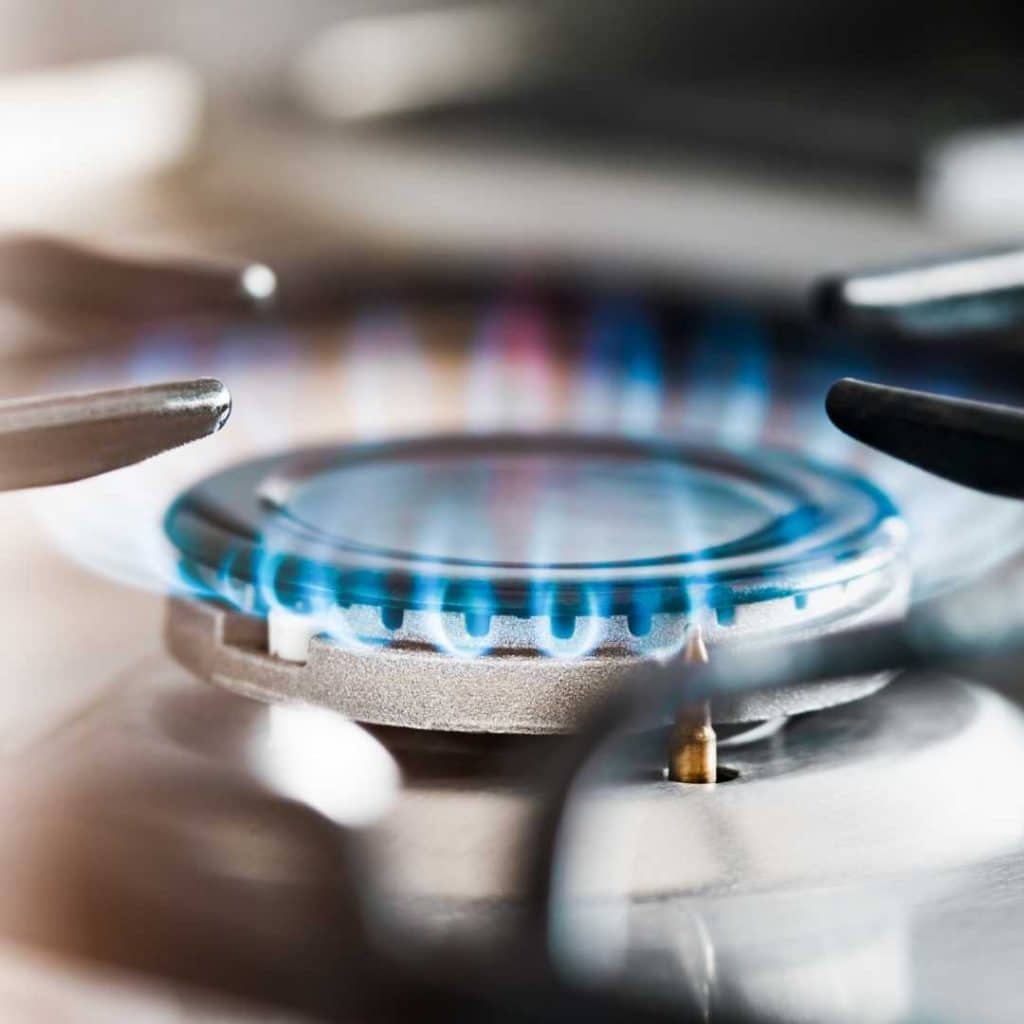
The Good Sign: A healthy gas flame should be steady and blue. Blue indicates complete combustion, meaning the gas is burning efficiently and cleanly.
The Bad Sign: If the flame is yellow, orange, or flickering, you have a problem. This indicates “incomplete combustion,” which means the furnace is producing high levels of soot and carbon monoxide. This requires immediate professional cleaning and adjustment.
In our area, furnaces often sit unused for 10 or 11 months of the year. This long downtime makes the exhaust flue (the chimney pipe on your roof) a tempting real estate option for local wildlife.
The Check: We frequently find bird nests, lizard carcasses, or even palm debris blocking these vents. If the flue is blocked, the deadly exhaust gases have nowhere to go but back into your house. A pre-season inspection always includes verifying that the venting system is clear and intact.
Older furnaces might still have a standing pilot light (a small flame that stays on all the time). If this blows out, the furnace won’t start. Modern ones use an electronic igniter (hot surface igniter).
The Troubleshooting: If you hear the fan start but the air never gets hot, your igniter may have failed or your pilot light thermocouple needs cleaning. These are common repairs that we can handle quickly.
Don't Trust a General Handyman with Gas
Gas lines and combustion appliances require specific knowledge and respect. A loose fitting or an improper adjustment can lead to gas leaks or fire hazards. Because these systems are less common in Florida, many younger technicians have never even seen one.
You need a team with deep experience. At Richard’s AC, we know how to safely inspect, clean, and repair gas furnaces to keep your historic home safe and warm.
For expert Gas Furnace and Heating Service, trust the professionals who have been around long enough to know the difference. We proudly serve homeowners in Lake Worth, Royal Palm Beach, Wellington, and across Palm Beach County.
Gas heat requires expert care. Contact us today for your annual furnace safety check!