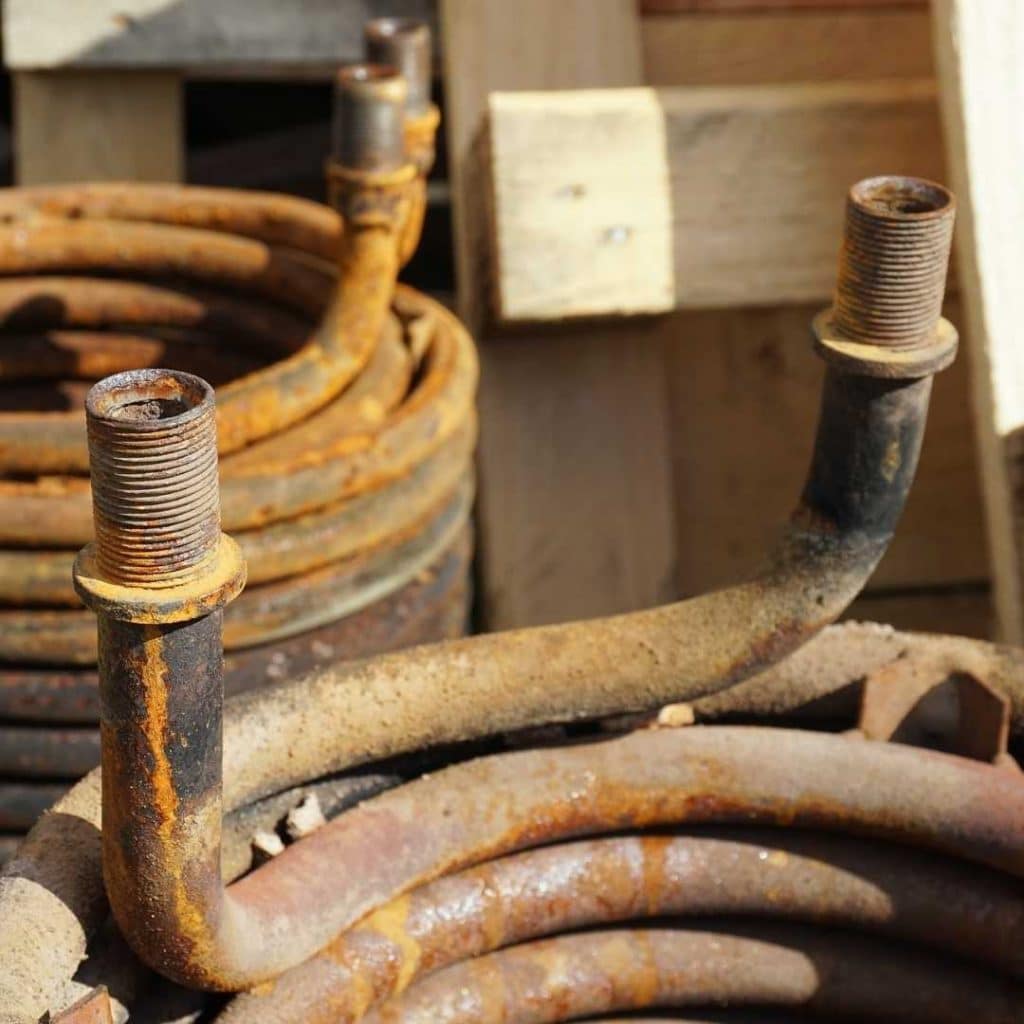
If you take a walk around the side of your house in Lake Worth and look at your air conditioner’s outdoor unit, you might spot something unsettling: rust. In our humid, salty coastal environment, rust is an aggressive and persistent visitor. It starts as a small bubble under the paint, then an orange streak running down the side, and before you know it, chunks of metal are flaking off.
Seeing your expensive appliance slowly disintegrating is alarming. But as a homeowner, the big question is: Is this rust just a cosmetic issue, or is it a sign of imminent failure? The answer depends entirely on where the rust is located. While some surface corrosion is inevitable in Lake Worth, other types of rust are structural red flags that require immediate attention. Here is a guide to interpreting the rust on your AC unit.
The "Cosmetic" Rust: Ugly, But Survivable
Let’s start with the good news. Often, the rust you see on the outer metal shell (the cabinet) or the wire grille that protects the fan is mostly cosmetic.
The Diagnosis: The paint on these units takes a beating from the Florida sun and weed whackers. Once the paint is chipped, the steel underneath oxidizes.
The Verdict: While it looks neglected, a rusty cabinet usually won’t stop the AC from cooling your house. If you catch it early, you can sand it down and spray it with a rust-inhibiting paint (like Rust-Oleum) to slow the spread. It’s a maintenance annoyance, but not a system killer.
The "Silent Killer": A Rusted Base Pan
This is where the situation gets serious. The base pan is the metal floor of the outdoor unit. It sits just inches off the ground, where moisture and wet leaves accumulate, creating a perfect recipe for rot.
The Danger: The base pan holds the heaviest component of the entire system: the compressor. If the base pan rusts through, the structural integrity of the unit is compromised. We have seen cases where the metal became so weak that the heavy compressor literally fell through the bottom of the unit.
The Result: When the compressor drops or shifts, it snaps the copper refrigerant lines connected to it. This leads to a massive refrigerant leak and catastrophic system failure. At that point, the unit is usually not repairable and must be replaced.
The Safety Hazard: Rusted Hurricane Tie-Downs
Living in Lake Worth, we all know the drill when hurricane season approaches. Your AC unit is required by code to be bolted to the concrete pad with steel brackets (hurricane straps) to prevent it from becoming a projectile in high winds.
The Danger: These brackets are at ground level and are often the first thing to rust away. A rusted bracket offers zero protection. It might look like it’s attached, but if you kick it and it crumbles, your AC is unsecured.
The Fix: This is a critical safety repair. If your anchors are rusted, Richard’s AC can install new, stainless steel or heavy-duty hurricane straps to ensure your home is code-compliant and safe for the next storm.
The Performance Thief: Rusted Coils
As we discussed in our previous post about salt air, the most critical rust happens where you can’t easily see it: on the aluminum fins of the condenser coil.
The Danger: When aluminum oxidizes, it doesn’t turn orange; it turns white and powdery. If you run your finger gently across the fins and they crumble like chalk, the unit has “rusted” to the point of uselessness. It can no longer disperse heat effectively.
The Result: Your electric bill will skyrocket, and the compressor will eventually overheat and die. This type of corrosion cannot be fixed; the coil or the unit must be replaced.
The Electrical Risk: Corroded Contacts
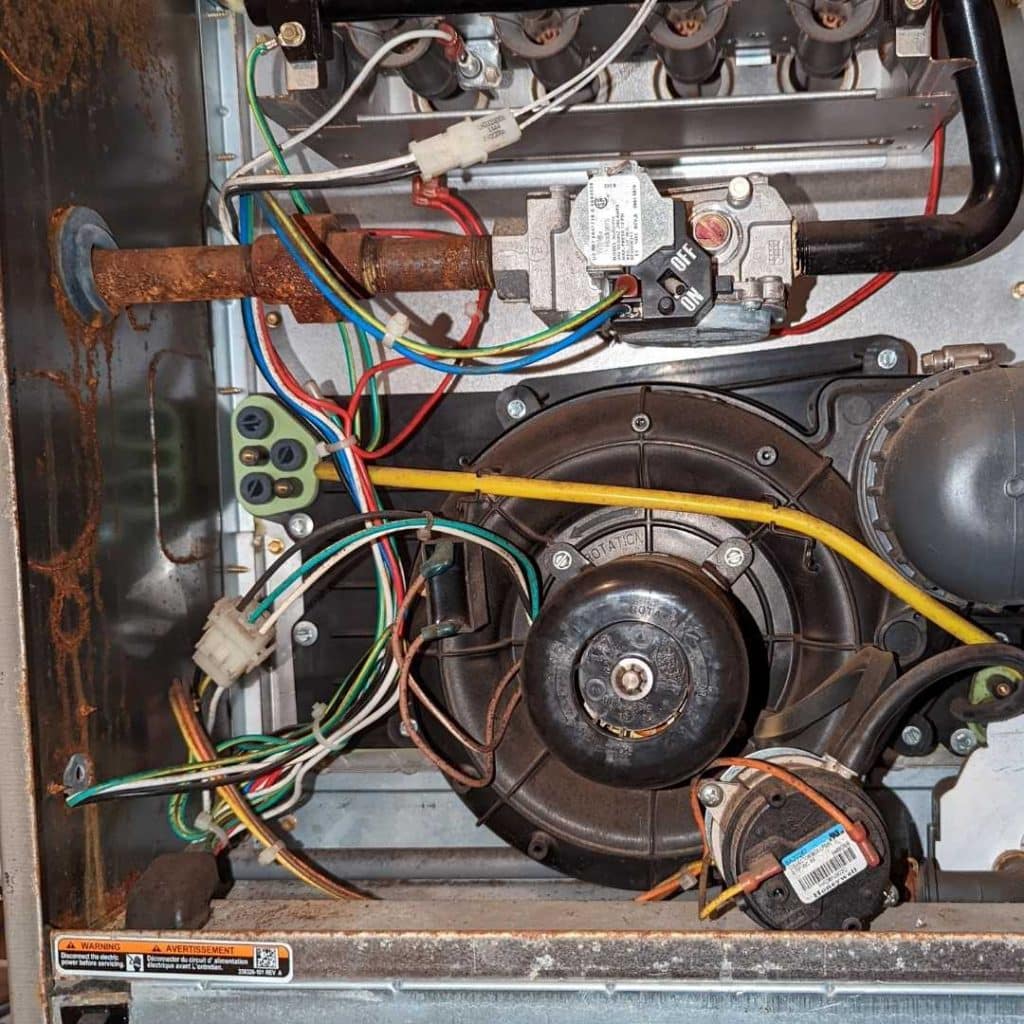
Rust doesn’t just attack the body of the unit; it attacks the brain. The electrical contactor (the switch that turns the unit on) can develop rust and pitting on its metal surfaces.
The Danger: Rusty contacts create electrical resistance and heat. This can cause the switch to weld shut (meaning your AC runs non-stop and freezes up) or fail to close (meaning the AC never turns on). It is a common cause of those “my AC won’t start” panic calls.
When to Repair vs. When to Replace
If you notice rust on your unit, don’t panic, but don’t ignore it. Call a professional to assess the depth of the damage.
If it’s just the cabinet or hurricane straps, we can often repair it to extend the unit’s life.
If the base pan is rotting or the coils are crumbling, it is usually more financially prudent to plan for a replacement rather than pouring money into a dying system.
Honest Assessments for Lake Worth Homes
At Richard’s AC, we believe in the “fix it if you can” philosophy. We won’t tell you to replace a unit just because of a little surface rust. However, we will always be honest with you if structural corrosion poses a safety risk or a reliability issue.
Protect your home and your wallet. For expert AC Inspection and Repair, trust the local pros. We proudly serve homeowners in Lake Worth, Royal Palm Beach, Wellington, and across Palm Beach County.
Is that rust spot a problem? Let us take a look. Contact us today for an inspection!