Living in Lake Worth offers a unique and enviable lifestyle. Whether you are in a historic cottage near downtown or a condo overlooking the Intracoastal, that fresh, salty ocean breeze is one of the main reasons we choose to live here. It’s invigorating, cooling, and defines the charm of our coastal community.
However, that same beautiful breeze carries a hidden enemy that is silently waging war on your home’s mechanical systems. For your air conditioner, salt air is not refreshing; it is corrosive. In the HVAC industry, we have a saying: “The ocean views cost extra.” This refers not just to real estate prices, but to the accelerated wear and tear on your equipment. If you own a home in Lake Worth—especially east of I-95—standard AC maintenance rules do not apply. You are in a “severe duty” environment, and treating your AC like it lives inland is a recipe for expensive, premature failure.
The Chemistry of Destruction: Galvanic Corrosion
To understand why salt is so damaging, we have to look at how an AC unit is built. The outdoor condenser unit (the big box outside) typically consists of copper tubing interwoven with thin aluminum fins. These fins disperse the heat from your home into the outside air.
When salt spray—which is essentially dissolved sodium chloride—lands on these metals, it acts as an electrolyte. Because copper and aluminum are dissimilar metals, the salt water creates a bridge between them, triggering a chemical process called galvanic corrosion. Effectively, your air conditioner turns into a weak battery, eating away at its own metal.
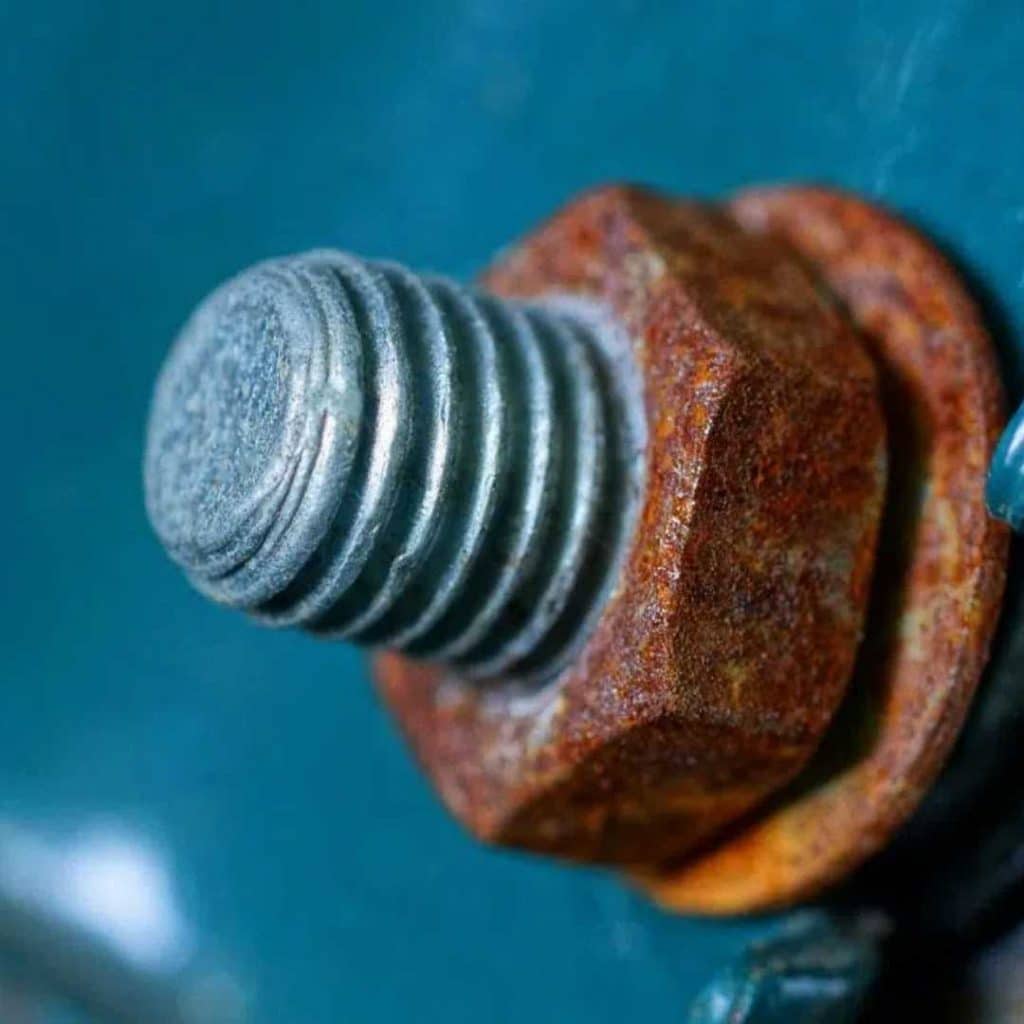
In Lake Worth’s humid environment, this process never sleeps. The aluminum fins turn brittle and crumble to the touch (often turning into a white powder), and the copper tubing develops microscopic pits that eventually burst, leading to refrigerant leaks.
The "5-Year" Reality Check
In a standard inland environment, a well-installed air conditioner should last 12 to 15 years. In a coastal environment like Lake Worth Beach, a standard, unprotected unit might fail in as little as 5 to 7 years.
We often see units that are mechanically sound (the motor runs, the compressor hums) but are practically useless because the aluminum fins have completely disintegrated. Without fins, the unit cannot release heat. The compressor overheats, electricity usage spikes, and eventually, the heart of the system dies from exhaustion
Fighting Back: Maintenance is Your Shield
You cannot stop the salt air, but you can manage it. If you live in Lake Worth, your maintenance strategy needs to be more aggressive than your neighbors out in Wellington.
This is the single most effective thing a homeowner can do. If you live within a mile of the water, you should gently rinse your outdoor unit with fresh water from a garden hose once a month.
The Technique: You don’t need high pressure (never use a pressure washer, as it bends the fins!). Just a gentle shower to wash away the salt deposits that have accumulated on the coils. Think of it like rinsing your boat or car after a day at the beach.
Water removes the surface salt, but it doesn’t remove the grime that sticks deep inside the coils where salt hides. During a professional maintenance visit from Richard’s AC, we use specialized coil cleaners designed to dissolve salt and dirt without damaging the metal.
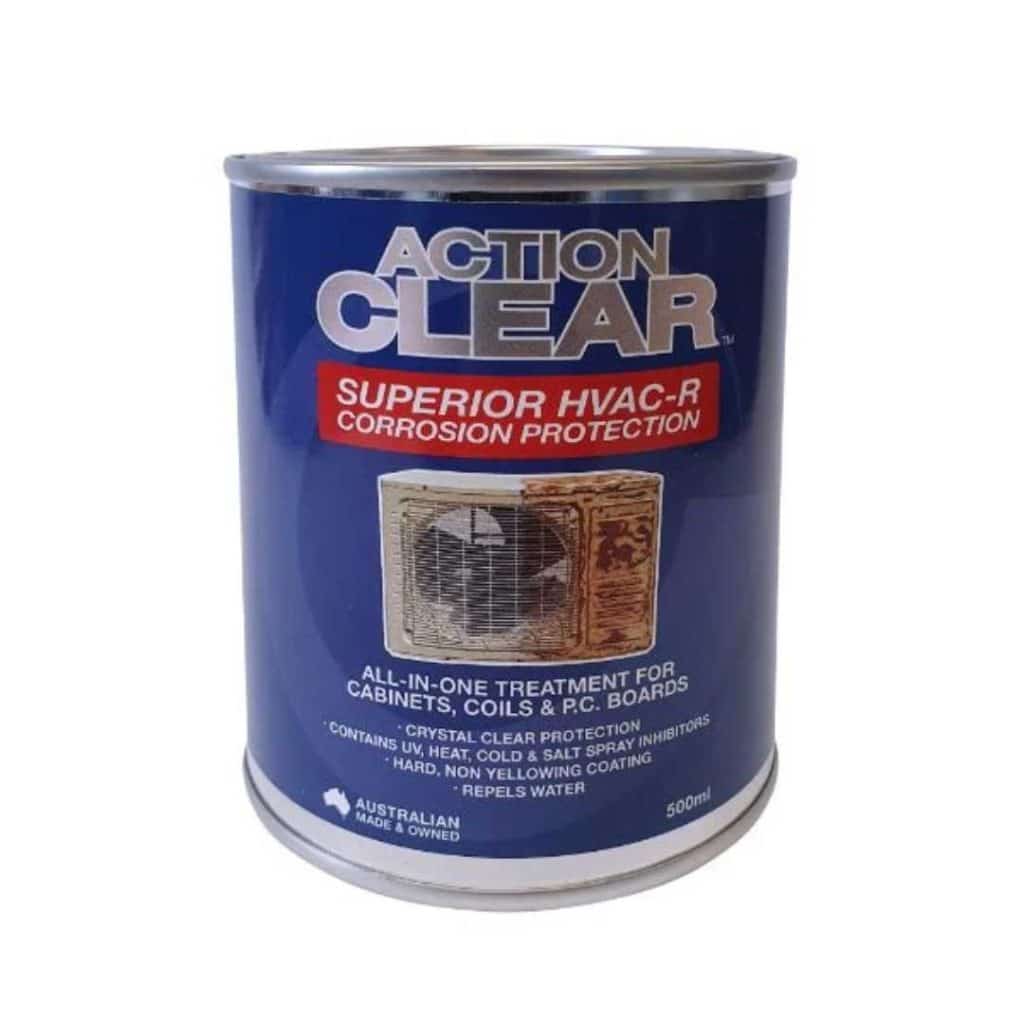
If you are installing a new unit or have a relatively new one, ask us about protective coatings. These are specialized sprays applied to the coil that seal the metal from the air, preventing the chemical reaction of corrosion. It’s like SPF 50 for your air conditioner.
Choosing the Right Weapon for the Coast
If your current system has already lost its battle with the salt and needs replacement, don’t just buy the same unit again. Technology has advanced.
For our Lake Worth clients, we often recommend units specifically designed for coastal applications. Some manufacturers now offer:
All-Aluminum Coils: By eliminating the copper-to-aluminum connection, you remove the risk of galvanic corrosion entirely.
Weather-Shielded Components: Units with upgraded paint finishes and coated screws that resist rusting.
Local Expertise Matters
A technician who only works in inland suburbs might not spot the early signs of coastal corrosion. At Richard’s AC, we know Lake Worth. We know the specific challenges of the salt air, the humidity, and the salty soil.
We don’t just fix ACs; we protect your investment against the elements. Whether you need a salt-shield maintenance plan or a consultation on a coastal-rated replacement, we are your local experts.
For professional AC Repair and Maintenance tailored to the coastal lifestyle, trust Richard’s AC. We proudly serve homeowners in Lake Worth, Royal Palm Beach, Wellington, and across Palm Beach County.
Don’t let the salt eat your savings. Contact us today for a coastal maintenance check-up!